
Men's Mental Health Matters
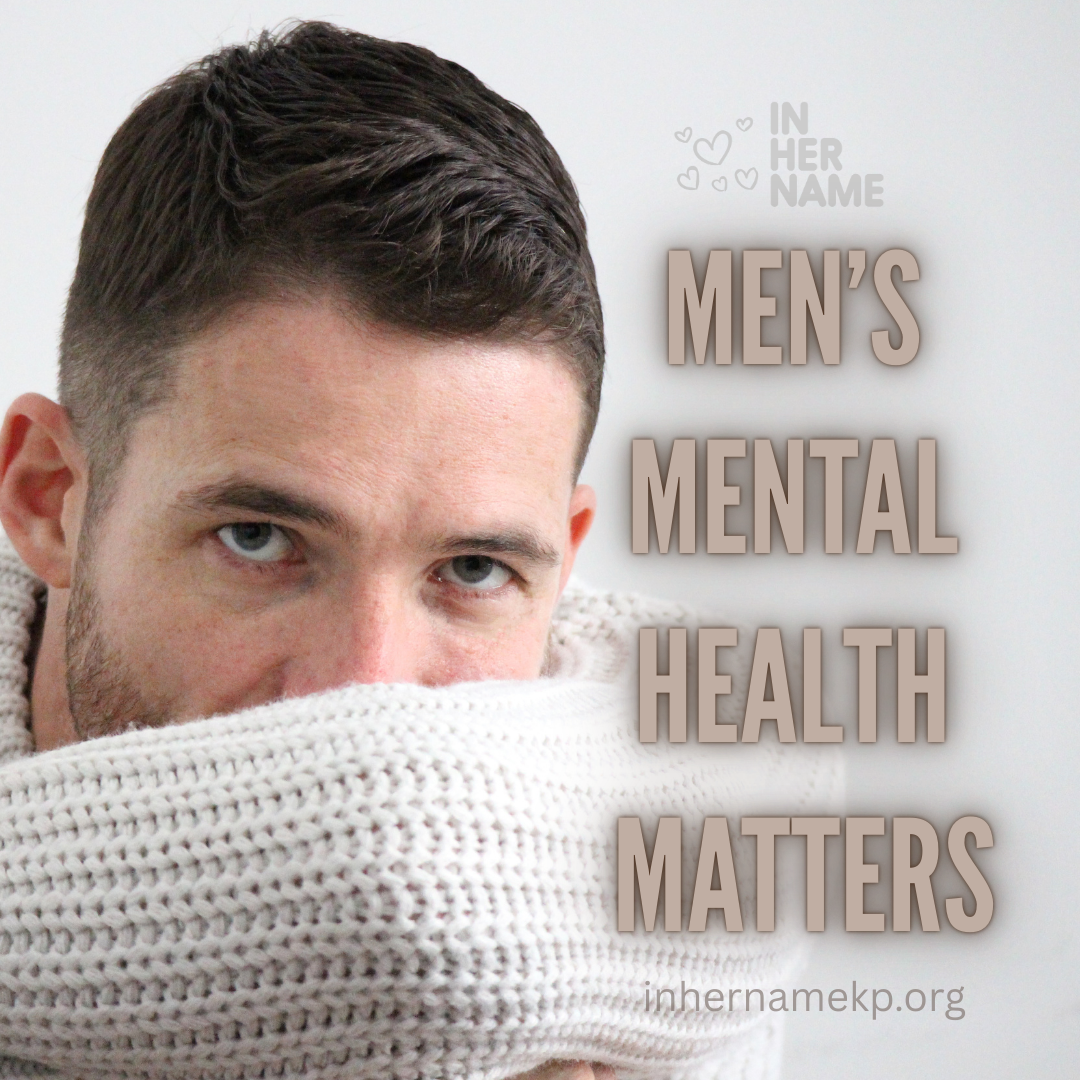
Men’s mental health is often overlooked, misunderstood, or quietly dismissed. Many men are taught from a young age to be strong, to push through pain, and to handle struggles on their own. As a result, emotions are suppressed, and mental health concerns are carried in silence. This silence has consequences. Men die by suicide at significantly higher rates, not because they are weaker, but because too many suffer without support, connection, or permission to ask for help.
One of the most powerful ways we can support the men in our lives is by creating safe, judgment-free spaces for honest conversation. Ask how they are really doing, and be willing to listen without trying to “fix” everything. Encourage openness by normalizing emotions and reminding them that vulnerability is not a failure; it is a human need. Checking in consistently, even when someone seems “fine,” can make a meaningful difference.
Supporting men also means recognizing warning signs and taking them seriously. Withdrawal, irritability, changes in sleep or behavior, increased substance use, or expressing hopelessness are all signals that someone may be struggling. Encourage professional support when needed and remind them that seeking help is a sign of strength, not weakness. Therapy, support groups, and crisis resources are tools for survival, not signs of defeat.
As a community, we must work to break the stigma around men’s mental health by speaking openly, advocating for education, and showing compassion. Whether it’s supporting mental health initiatives, sharing resources, or simply being present for someone who needs it, every action matters. Suicide prevention works when we show up for one another. The men in our lives deserve care, understanding, and the reassurance that they are not alone.
If you or someone you know is struggling, please don’t wait, call or text the 988 Suicide & Crisis Lifeline. Support is free, confidential, and available 24 hours a day, 7 days a week.