
A Strong Man Can Cry
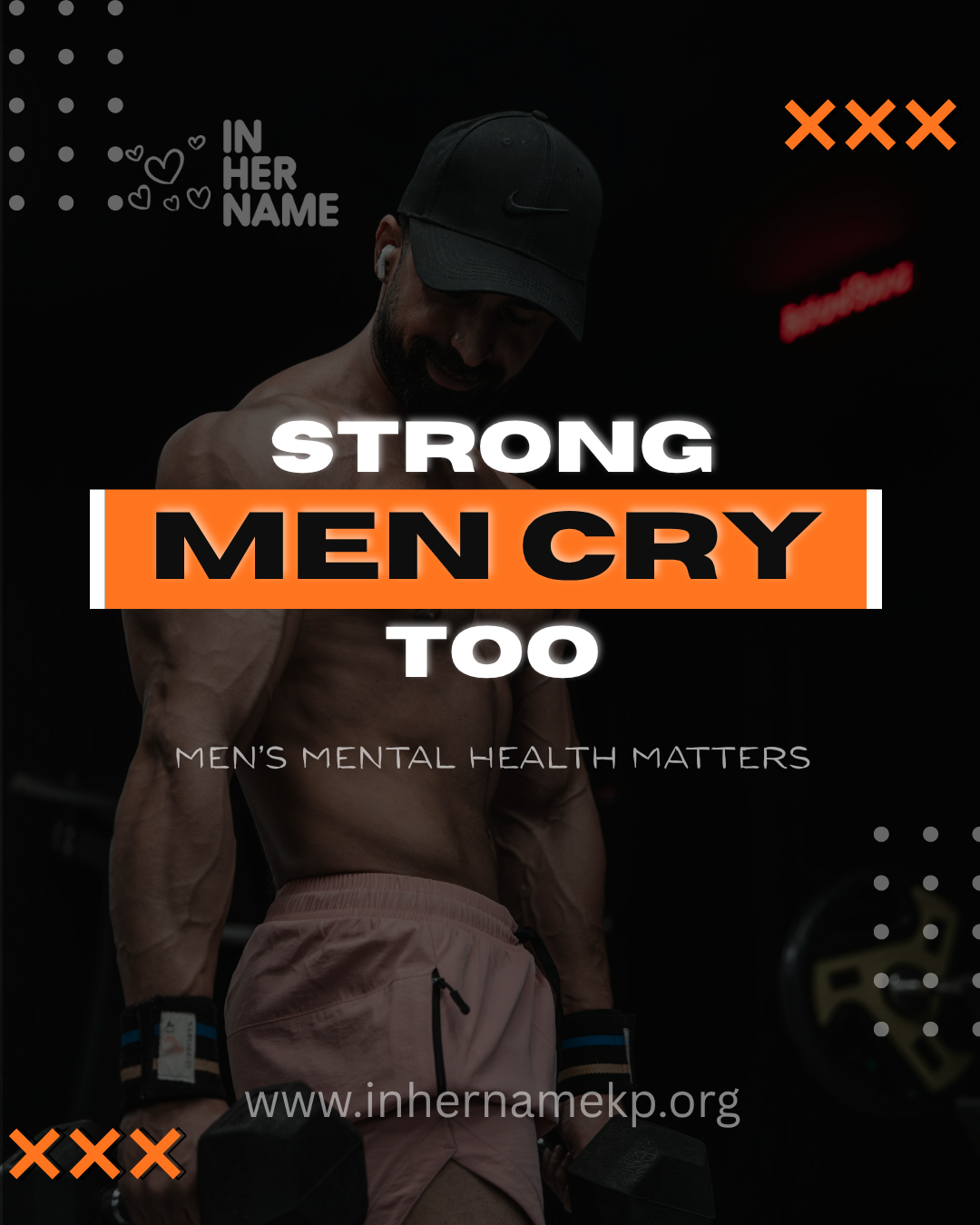
A few weeks ago, my post was inspired by one of my coaches at my gym. Long before the sun rises, Coach Ben is already there doing what he always does, encouraging, motivating, and guiding us through challenging workouts. He shows up with energy, positivity, and a commitment to helping others become stronger. Like many people, I viewed him as someone who embodies strength, discipline, and resilience.
During class one morning, Coach Ben mentioned a movie he had recently watched. As he talked about it, he casually shared that he cried during a particular scene. It was a brief comment, and the conversation quickly moved on, but his words stayed with me. There was no hesitation, embarrassment, or apology. He simply acknowledged his emotions and continued with the workout. In that moment, I realized how uncommon it still is to hear men openly talk about their feelings.
For generations, many men have been taught that showing emotion is a sign of weakness. They are often told to “man up,” push through pain, and keep their feelings to themselves. As a result, countless men struggle in silence with stress, anxiety, depression, grief, and other mental health challenges. They may fear being judged, misunderstood, or viewed differently if they admit they are hurting. Unfortunately, this silence can prevent people from seeking the help and support they need.
Men’s Mental Health Awareness Month reminds us that mental health is a human issue, not a gender issue. We all have emotions, and we all face difficult moments in life. Creating environments where men feel comfortable saying, “I cried,” “I’m struggling,” or “I need help,” can make a meaningful difference. Emotional honesty is not weakness; it is courage. It takes strength to be vulnerable, to share what you are feeling, and to ask for support when you need it.
After class, I thanked Coach Ben for sharing that simple but powerful moment. By openly acknowledging his emotions, he helped normalize something that should already be normal: a strong man can cry, express his feelings, and still be every bit as strong. My hope is that more men will feel empowered to speak openly about their mental health and that we, as a society, will continue creating spaces where vulnerability is met with compassion rather than judgment. Sometimes the strongest thing a person can say is, “I’m not okay,” and sometimes the most important thing we can do is listen.
If you or someone you know is struggling with their mental health, please call or text the 988 Suicide & Crisis Lifeline. Support is free, confidential, and available 24/7.